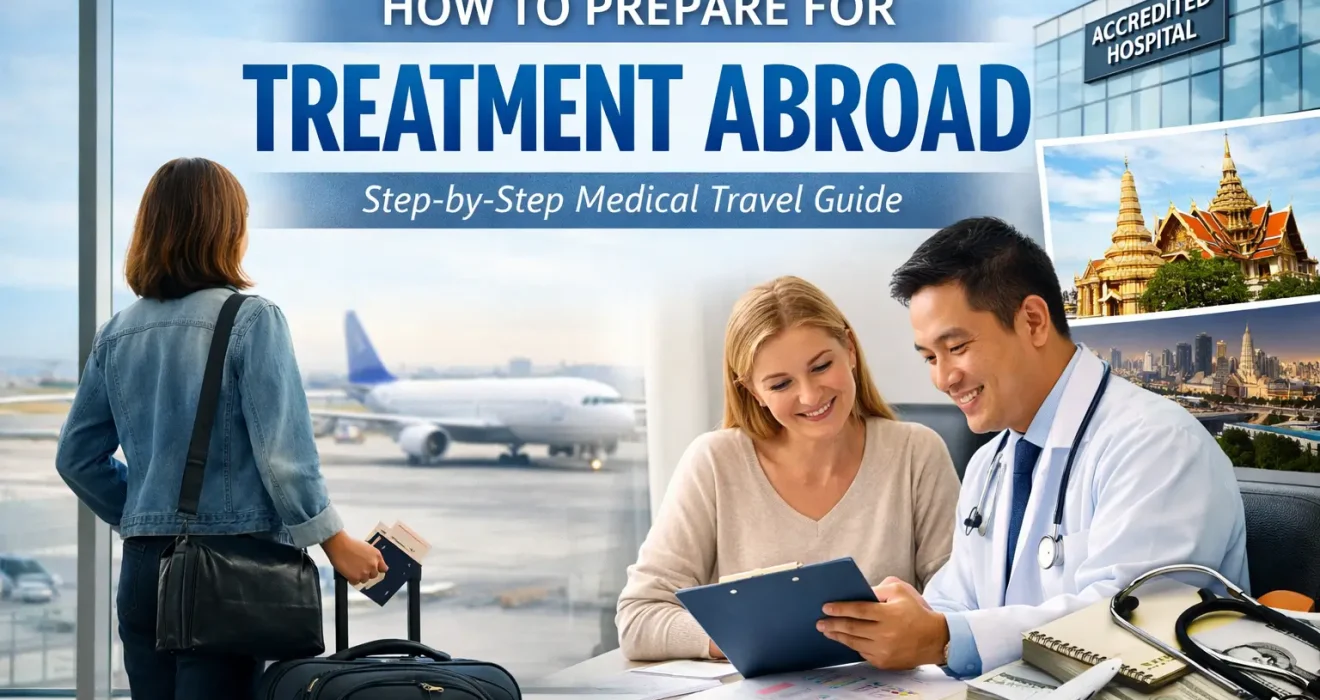
How to Prepare for Treatment Abroad
How can you prepare for treatment abroad?
Preparing for treatment abroad involves choosing the right country and hospital, organizing medical records, securing a medical visa, planning travel and accommodation, estimating costs, and arranging post-treatment care. Proper preparation reduces stress, medical risks, and unexpected expenses during international treatment.
1. Why People Choose Treatment Abroad
Medical treatment abroad, often called medical tourism, is becoming increasingly popular worldwide. Patients travel internationally for healthcare due to a combination of affordability, quality, and accessibility.
Common reasons include:
-
Long waiting times in home countries
-
High treatment costs locally
-
Access to advanced technology
-
Specialized doctors unavailable at home
-
Confidential and personalized care
Countries like Thailand, India, Turkey, Germany, and Singapore are global leaders in international healthcare services.
2. Key Benefits of Medical Treatment Abroad
Why is treatment abroad beneficial?
Treatment abroad offers cost savings, world-class medical expertise, shorter waiting times, and access to internationally accredited hospitals.
Major advantages:
-
✅ Up to 60–70% lower medical costs
-
✅ Internationally trained specialists
-
✅ Modern hospitals with advanced equipment
-
✅ Faster diagnosis and treatment schedules
-
✅ Dedicated international patient services
3. How to Choose the Right Country for Treatment
Choosing the right destination is the foundation of successful treatment abroad.
Factors to consider:
-
Medical specialization of the country
-
Hospital accreditation (JCI, ISO)
-
Doctor qualifications
-
Language and communication
-
Political and travel safety
-
Visa ease and duration
Popular destinations by specialty:
-
Thailand – Cardiology, orthopedics, cosmetic surgery
-
India – Cancer treatment, neurology, transplants
-
Turkey – Hair transplant, cosmetic surgery
-
Germany – Advanced diagnostics, oncology
4. Selecting the Best Hospital and Doctor
How do you choose the right hospital abroad?
Choose a hospital with international accreditation, experienced specialists, transparent pricing, and a dedicated international patient department.
Key points to evaluate:
-
Hospital accreditation
-
Doctor’s experience and credentials
-
Success rates of the procedure
-
Patient reviews and testimonials
-
Availability of English-speaking coordinators
👉 To simplify this step, professional support for hospital admission abroad ensures seamless coordination and verified medical facilities.
5. Medical Records: What to Prepare Before Travelling
Essential medical documents:
-
Recent medical reports
-
Diagnostic test results (MRI, CT, X-ray)
-
Prescription history
-
Doctor’s referral letter
-
Treatment summary
Tips for organizing records:
-
Translate documents into English
-
Keep digital and printed copies
-
Share records with the hospital in advance
This allows doctors abroad to prepare a precise treatment plan before your arrival.
6. Understanding the Full Cost of Treatment Abroad
What costs should you consider?
Treatment abroad costs include medical fees, travel expenses, accommodation, visa fees, and post-treatment care.
Cost breakdown:
-
Medical procedures
-
Doctor consultation fees
-
Hospital stay
-
Medications
-
Travel and accommodation
-
Follow-up care
Always request a detailed treatment quotation to avoid hidden expenses.
7. Medical Visa and Legal Requirements
How do you get a medical visa?
A medical visa is mandatory for treatment abroad and requires hospital confirmation and medical documents.
Common requirements:
-
Medical invitation letter
-
Passport validity (6+ months)
-
Medical reports
-
Visa application form
-
Financial proof
👉 Professional assistance with Thai medical visa processing ensures faster approvals and accurate documentation.
8. Travel and Accommodation Planning
Travel planning tips:
-
Book flexible flight tickets
-
Choose direct flights when possible
-
Inform the airline about medical needs
-
Request wheelchair assistance if required
Accommodation options:
-
Hospital guest houses
-
Serviced apartments
-
Nearby hotels with medical discounts
Stay close to the hospital for easier follow-ups.
9. Health Insurance and Financial Planning
Important insurance considerations:
-
Confirm international coverage
-
Check exclusions and limits
-
Understand reimbursement rules
If insurance doesn’t cover international treatment, plan finances early and consider:
-
Medical loans
-
Personal savings
-
Hospital payment plans
10. Preparing Physically and Mentally for Treatment
Physical preparation:
-
Follow pre-treatment guidelines
-
Adjust medications if advised
-
Maintain hydration and nutrition
Mental preparation:
-
Understand treatment outcomes
-
Prepare for recovery time
-
Discuss expectations with doctors
Mental readiness significantly improves recovery.
11. Air Ambulance and Emergency Medical Travel
In critical cases, patients may require air medical services for safe international transport.
Learn more about air medical services and when they are necessary.
12. What to Pack for Medical Travel
Essential items checklist:
-
Medical documents
-
Prescribed medications
-
Comfortable clothing
-
Health insurance papers
-
Emergency contact list
Avoid overpacking and prioritize medical essentials.
13. During Treatment: What to Expect Abroad
Typical process:
-
Initial consultation
-
Diagnostic tests
-
Treatment or surgery
-
Recovery and monitoring
-
Discharge planning
Many hospitals offer:
-
Dedicated patient coordinators
-
Translation services
-
International cuisine options
14. Post-Treatment Care and Follow-Up
Why follow-up care matters?
Post-treatment follow-up ensures long-term recovery and prevents complications after returning home.
Key aspects:
-
Medication adherence
-
Telemedicine consultations
-
Rehabilitation planning
👉 Booking a doctor appointment abroad helps manage follow-up care efficiently.
15. Common Mistakes to Avoid
-
❌ Choosing hospitals without accreditation
-
❌ Ignoring visa timelines
-
❌ Underestimating total costs
-
❌ Not planning post-treatment care
-
❌ Travelling without medical clearance
Avoiding these mistakes ensures a smooth medical journey.
16. Frequently Asked Questions (People Also Ask)
Is treatment abroad safe?
Yes, when choosing accredited hospitals and qualified doctors.
How long should I stay abroad after treatment?
It depends on the procedure and recovery needs.
Can a family member accompany me?
Most countries allow attendants on medical visas.
Is follow-up possible after returning home?
Yes, through telemedicine and online consultations.
17. Final Checklist for Treatment Abroad
✔ Choose the right country and hospital
✔ Organize medical records
✔ Secure medical visa
✔ Plan travel and accommodation
✔ Arrange finances and insurance
✔ Prepare for post-treatment care
Final Thoughts
Preparing for treatment abroad requires careful planning, reliable information, and professional coordination. When done correctly, international medical treatment can be safe, affordable, and life-changing.
By following this step-by-step guide, you can confidently navigate the entire process—from diagnosis to recovery—while minimizing stress and maximizing health outcomes.