

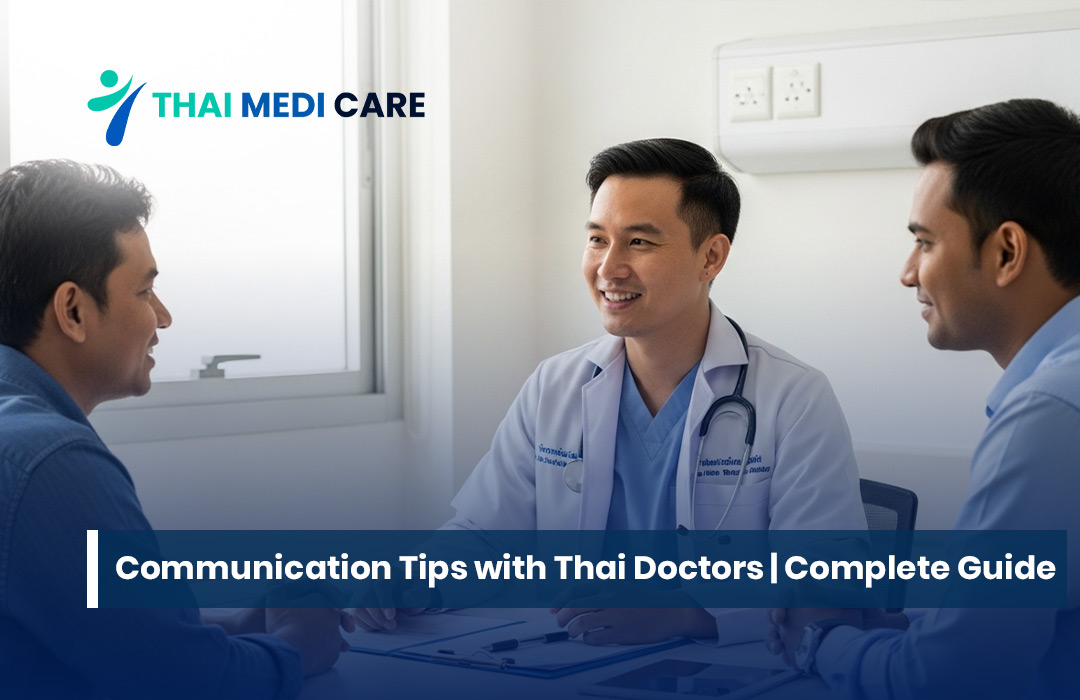
Communication Tips with Thai Doctors | Complete Guide
Communication Tips with Thai Doctors
Thailand has become a top destination for international patients seeking affordable, high-quality medical care. However, effective communication with Thai doctors plays a vital role in ensuring the best possible treatment and overall experience. Understanding cultural differences and language barriers can make your medical journey smoother and stress-free.
This guide explains the best communication tips with Thai doctors to help you build trust, express your needs clearly, and make confident healthcare decisions.
1. Understanding Thai Healthcare Culture
Thailand’s healthcare system is known for professionalism, respect, and kindness. Doctors in Thailand often use polite communication and may avoid direct disagreement to maintain harmony.
Patients are encouraged to show respect and gratitude. A simple “wai” (the traditional Thai greeting with hands together) or a polite smile helps build mutual respect.
Tip: Stay calm, patient, and polite during consultations — it helps in better communication and comfort.
2. Common Language Barriers
Although many Thai doctors in major hospitals speak English, there can still be language gaps. Misunderstandings about medical terms or treatment options may occur.
To avoid confusion, repeat what you understand or request the doctor to write instructions down. You can also use a translation app for better clarity.
3. Basic Thai Phrases for Patients
Learning a few common Thai medical phrases can make your visit smoother and show respect for the local culture. Here are some useful phrases:
- “Sawatdee ka/krub” (Hello)
- “Khob khun ka/krub” (Thank you)
- “Bpuat” (Pain)
- “Hai chua” (Allergic)
- “Mai khao jai” (I don’t understand)
Even simple words can build connections and make the doctor more attentive to your needs.
4. Using Non-Verbal Communication
Non-verbal communication is highly valued in Thai culture. A friendly smile, gentle tone, and calm gestures show respect. Avoid loud or aggressive behavior, as it may seem disrespectful.
Doctors often observe body language to understand patient comfort, so nodding or showing understanding helps maintain good rapport.
5. Preparing Your Medical History
Bring all your medical documents, including test reports, prescriptions, and previous diagnoses. Organizing them in English (and translated copies if possible) allows Thai doctors to understand your case quickly.
Having your medical history ready saves time, reduces errors, and ensures smoother discussions about treatment plans.
Transactional tip: If you are visiting through a medical tourism agency, ask them to help you translate your documents before your appointment.
6. Asking Clear Questions
When you speak to Thai doctors, ask short and direct questions. Avoid using slang or overly complex sentences. Example:
Instead of saying, “Could you elaborate on the possible post-surgery complications?”, say, “What are the risks after surgery?”
Always confirm the next steps — such as test schedules, medication routines, and follow-up appointments — before leaving the hospital.
7. Handling Misunderstandings
If you feel something is unclear, politely ask for clarification. You can say, “Sorry, can you please explain again?” Most Thai doctors are patient and happy to help.
Avoid frustration or anger, as it may create tension. Staying respectful will help the doctor explain more effectively.
8. Working with Interpreters
Many international hospitals in Thailand provide medical interpreters to help foreign patients. They can translate medical terms, symptoms, and doctor instructions accurately.
Always check if the hospital offers interpreter services before your appointment. This ensures your communication is clear and reduces the risk of errors in diagnosis or treatment.
9. Follow-Up and Clarifications
After treatment, don’t hesitate to contact the hospital for follow-up questions. You can send an email or message through hospital apps if available.
Keeping records of your medication schedule, next appointment date, and doctor’s notes helps you stay organized.
Tip: Save the hospital hotline or email for quick follow-ups after you return home.
Conclusion
Good communication with Thai doctors is not only about speaking the same language — it’s about understanding culture, showing respect, and being clear about your needs.
By following these communication tips with Thai doctors, you’ll enjoy a stress-free and positive medical experience in Thailand.
If you are planning medical travel, Thai Medicare BD can help you connect with trusted Thai hospitals and professional interpreters for seamless care.
Frequently Asked Questions (FAQ)
Do Thai doctors speak English?
Yes, most Thai doctors in private and international hospitals speak English fluently, especially in Bangkok and Phuket.
Should I bring a translator to my appointment?
If you are not confident in English, it’s best to have a translator or interpreter to avoid miscommunication.
How can I prepare for a hospital visit in Thailand?
Bring your passport, medical history, insurance papers, and previous test reports for a smoother consultation.
Is Thai healthcare affordable for foreigners?
Yes, Thailand offers excellent healthcare at affordable costs compared to Western countries.
How can I make Thai doctors understand my problem better?
Use clear language, visual aids (like pointing to pain areas), and written notes to explain your symptoms.
What should I do if I don’t understand the doctor’s instructions?
Politely ask the doctor to repeat or write down the information. You can also request help from hospital staff or interpreters.

